Whether music liberates the audience or the artist is a conundrum with no easy answers. Nevertheless, when artists come together, few can argue that music reaches a state of communion—and this summer, Ottawa came closest to solving that mystery. From July 10 to 20, the city was awash in sound, spirit, and shared joy.
Musician and music educator Shardul Akolkar reflects, “Music is a healthy form of escapism for audiences who spend valuable time and money—often just to disconnect from the realities of life and immerse themselves in art. Music concerts are a kind of learning experience. I’m sure it has a therapeutic effect on humans—it calms the mind and soothes the senses.”
Music, he adds, offers psychological benefits and cultural continuity. “It has existed for centuries—from royal courts to religious gatherings, and now, global festivals. Today, it’s much like attending a football or cricket match in its energy and significance.”
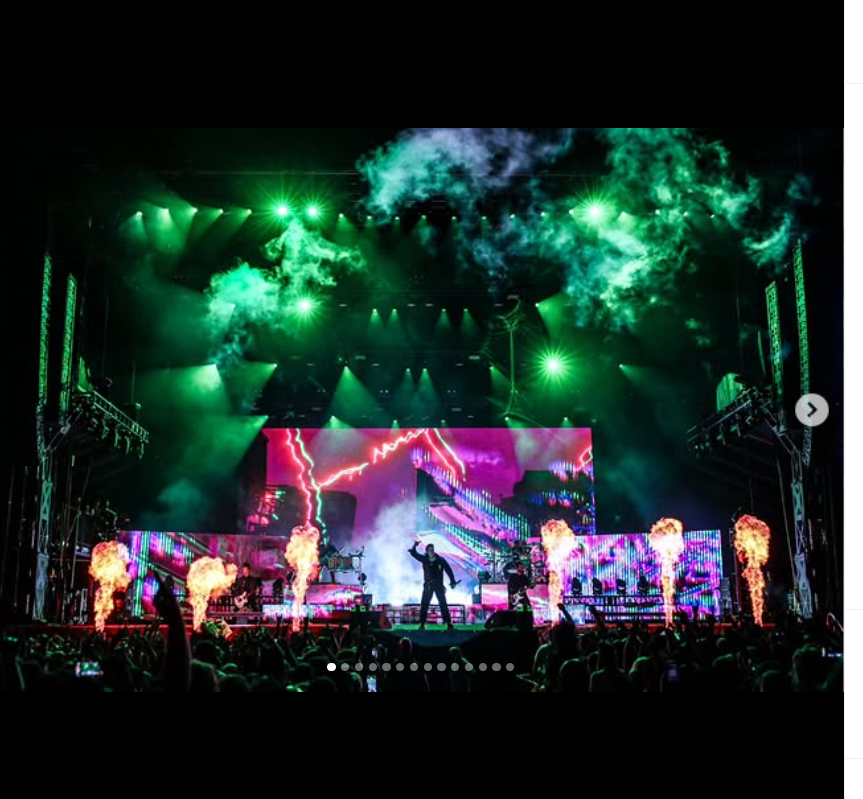
With over 200 artists across genres and stages, Ottawa Bluesfest welcomed marquee acts including Hozier, Green Day, Shania Twain, Lainey Wilson, Sean Paul, Def Leppard, Papa Roach, and Kaytranada. Organizers reported crowds of 25,000 to 30,000 on headline nights.
On opening day, local punk rockers We Were Sharks launched the main stage, followed by powerhouse performances from Daughtry and Papa Roach.
Lainey Wilson surprised fans with a stirring duet of “God’s Gonna Cut You Down” alongside Brandon Coleman of the Red Clay Strays. Meanwhile, Green Day treated longtime fans to a rare performance of their debut album 39/Smooth and played “Missing You” live for the first time in over a decade.
Hozier delivered a transcendent set, blending blues spirit, soul, rock, and folk—proving once again why “Take Me to Church” became an anthem for a generation.
Just when the crowd thought the night had peaked, Lainey Wilson lit up the stage with her signature energy and presence.
“This concert was Green Day at their absolute peak,” wrote one Instagram user. “I’ve seen them many times—never this good. What an incredible night!”
The festival’s closing night was marked by electric performances and a vibrant influx of student attendees, many treating the event as a last hurrah before returning to academics. Their enthusiasm added a youthful charge to the atmosphere—underscoring how, for many, music is a rite of passage and a form of personal freedom.
As Akolkar aptly summarized, “Music is the ultimate form of artistic expression. It builds a spiritual connection with your audience, nurtures your art, and preserves cultural legacy across generations.”