Tetanus, meningitis, and necrotizing fasciitis—once controlled worldwide—are rampant in Gaza. Healthcare workers, children, and entire communities face starvation amid relentless attacks, says Canadian nurse Samar Said after her frontline mission.
Irum Khan
Series on Gaza’s Humanitarian Collapse — Part 1
Samar Said, a healthcare professional with over 13 years of experience in nursing and healthcare leadership, witnessed this humanitarian catastrophe firsthand. From July 3 to July 17, she worked at Al Aqsa Hospital and Al Hilo Hospital in Gaza, providing care in the Emergency Room and Oncology Centre. Speaking at a townhall meeting organized by Justice for All, Canada, Said painted a grim picture:
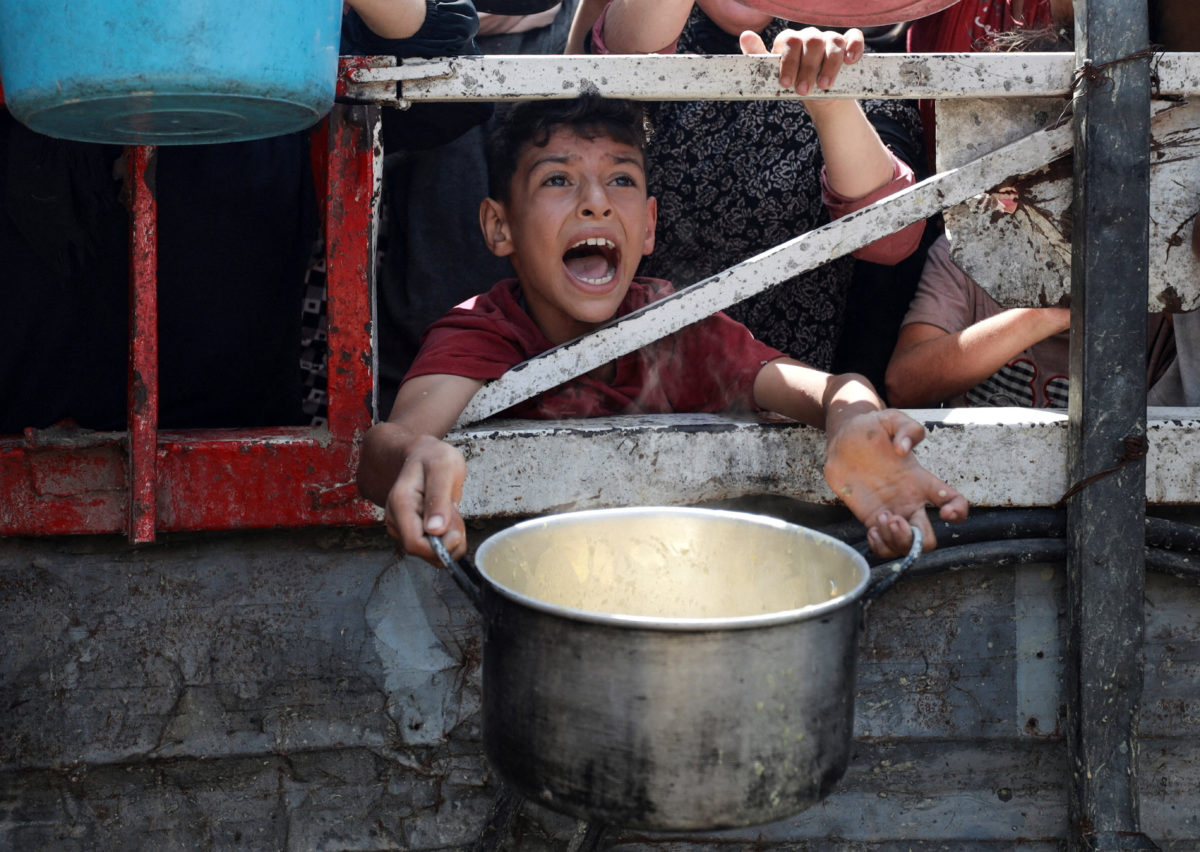
“The situation is dire. It’s beyond imagination. Starvation has hit every level of society. The people I worked with—including physicians, nurses, hospital staff—every single person was starving. The patients were starving. Almost everyone I saw, whether a colleague or a patient, was displaced. They either lived in tents or makeshift homes. The bombing never stopped during my entire stay. It was relentless, day and night.”
Said described the bombardment as “systemic,” with airstrikes occurring at regular intervals, often every half hour to one hour throughout the night. “When there was nothing left to bomb, they would demolish homes. The people of Gaza told me this has been their experience throughout the war,” she added.
However, she stressed that starvation is now the gravest crisis.
“We started seeing diseases that the world had declared eradicated. Cases of tetanus appeared because people’s immune systems were so compromised, and due to the Israeli blockade on vaccines. Meningitis became so widespread that an entire hospital floor was dedicated to it. We saw flesh-eating disease—necrotizing fasciitis—affecting people who were otherwise healthy, in their twenties, with no underlying conditions. Their immune systems had weakened simply because they weren’t eating.”
Said recounted working with a young man in his late 20s who had survived an explosive injury. “His wound, under normal circumstances, would have healed in two to three weeks. But after three months, it was still not healing. The prolonged exposure to malnutrition made him extremely vulnerable to infections and complications.”
Malnutrition was evident across all demographics. “Every layer of society, from healthcare professionals to ordinary civilians, showed visible signs of malnutrition. It was especially stark in young men. When they came to our clinic, it was just skin and bones. The natural muscle build in their upper arms was gone.”
One of the most harrowing realities, Said emphasized, was that even healthcare workers were collapsing under the weight of starvation.
“We had colleagues who worked with us, including healthcare professionals, fainting during their work hours because they hadn’t eaten in days or hadn’t eaten anything nutritious.”
The lack of food wasn’t just scarcity—it was a complete blockade on sustenance. “Animal-based protein has not entered Gaza since the last ceasefire—not even canned meat. People are surviving on rice and lentils, and even that became scarce in my last few days there.”
Said shared that their own medical convoy had to rely on protein bars they had brought with them. “I personally lived on protein bars for my entire stay because there was no access to food whatsoever. Even if people had money, there was nothing available in the markets.”
She described treating numerous children at Al Aqsa Hospital who had survived explosive injuries but whose wounds refused to heal due to lack of nutrition. “Without access to vitamins and proteins, their bodies simply can’t rebuild the muscle tissue or fight infections.”
Said’s testimony reveals a catastrophic intersection of war, blockade, and starvation, where even the healthcare providers tasked with saving lives are themselves at risk of collapse.